
How Digital Marketing Turns Small Brands into Big Stories
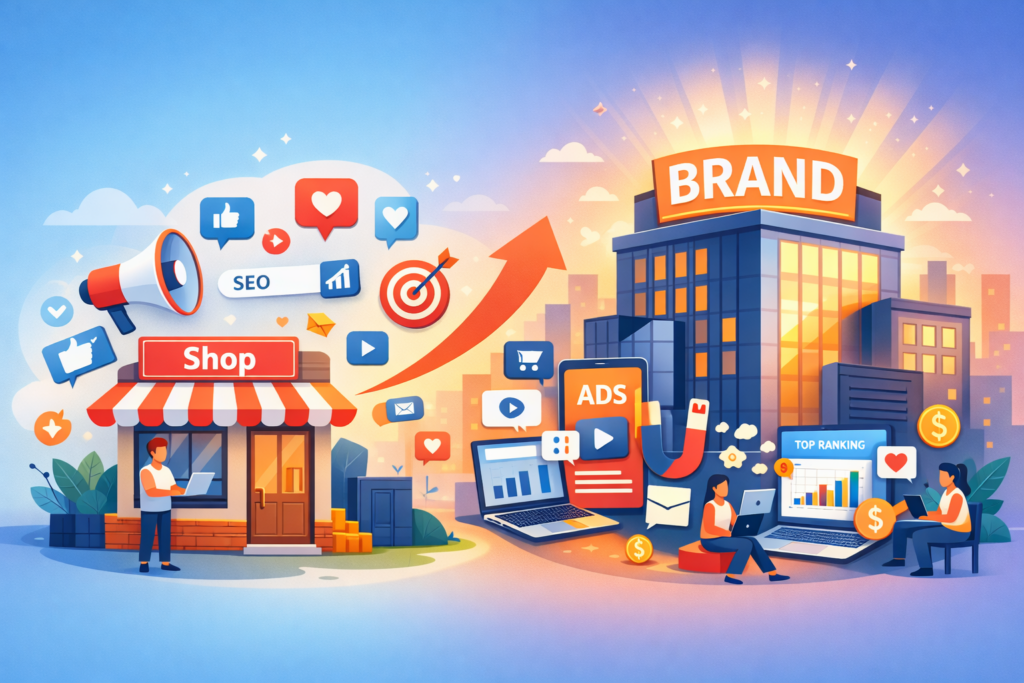
In today’s fast-moving digital world, brand success is no longer limited to big companies with huge budgets. Small businesses, startups, and even individual creators now have the power to reach large audiences and build strong brand identities. The reason behind this transformation is digital marketing. With the right strategy, digital marketing can turn a small brand into a big story that people notice, trust, and remember.
This blog explores how digital marketing helps small brands grow, connect with audiences, and create success stories that compete with well-known names in the market.
The Rise of Small Brands in the Digital Era
Earlier, marketing was expensive and limited. Television ads, newspaper promotions, billboards, and radio ads required large investments. Small brands struggled to compete because they lacked money and access to these platforms.
Digital marketing changed everything.
Today, a small brand with a smartphone, internet connection, and creative ideas can reach thousands—or even millions—of people. Platforms like Google, Instagram, Facebook, YouTube, and websites allow businesses to promote themselves at a low cost. This shift has given small brands a voice and an opportunity to grow faster than ever before.
Building a Brand Story That Connects
People don’t just buy products; they buy stories, emotions, and values. Digital marketing helps small brands share their story in a meaningful way.
A brand story may include:
- Why the brand started
- The problem it solves
- The passion behind the business
- The people who created it
Through blogs, social media posts, videos, and websites, small brands can tell their journey honestly. This authenticity helps audiences connect emotionally, which builds trust and loyalty.
For example, a small handmade clothing brand can share behind-the-scenes content, customer experiences, and founder stories on Instagram. Over time, this creates a strong emotional connection with the audience.
Social Media: The Biggest Growth Tool for Small Brands
Social media is one of the most powerful tools in digital marketing. Platforms like Instagram, Facebook, LinkedIn, and TikTok allow small brands to showcase their personality and interact directly with customers.
How social media helps small brands:
- Builds brand awareness
- Creates direct communication with customers
- Encourages engagement through likes, comments, and shares
- Helps content go viral
A single creative reel or post can reach thousands of users without spending much money. Small brands that focus on consistent posting, creative content, and audience interaction often grow faster than expected.
Social media also helps brands build communities, not just followers. A loyal online community becomes the biggest supporter of a brand’s growth.
Content Marketing: Educating Before Selling
Content marketing is about creating valuable and helpful content instead of directly selling products. This strategy works especially well for small brands.
Types of content include:
- Blog posts
- Videos
- Infographics
- Tutorials
- Social media posts
When small brands share useful information, they position themselves as experts in their field. For example, a small skincare brand can post tips about skin care routines, ingredients, and common problems. This builds trust and encourages customers to choose their brand when they are ready to buy.
Good content also improves visibility on search engines and social platforms, helping brands grow organically.
Search Engine Optimization (SEO): Being Found Online
Having a website is not enough. People need to find it. This is where SEO plays a key role.
SEO helps small brands appear on Google when users search for related products or services. With proper keyword usage, quality content, and website optimization, small brands can compete with bigger companies.
Benefits of SEO for small brands:
- Long-term organic traffic
- Better credibility and trust
- Cost-effective marketing
- Continuous brand visibility
A blog post optimized for search engines can bring traffic for months or even years. This makes SEO one of the most powerful tools for turning a small brand into a recognized name.
Paid Advertising with Small Budgets
Digital marketing allows small brands to run paid ads with flexible budgets. Platforms like Google Ads and Meta Ads let businesses target specific audiences based on age, location, interests, and behavior.
Unlike traditional advertising, digital ads are:
- Affordable
- Measurable
- Adjustable in real time
Small brands can start with small budgets, test different ads, and improve based on performance. This data-driven approach helps them get better results without wasting money.
Even a small ad campaign, when targeted correctly, can bring leads, sales, and brand awareness.
Influencer Marketing: Trust Through People
Influencer marketing is no longer limited to celebrities. Small brands benefit greatly from micro-influencers—people with smaller but highly engaged audiences.
When influencers genuinely recommend a product, their followers trust them. This creates authentic promotion and helps small brands reach new audiences.
For example, a local food brand can collaborate with food bloggers or local influencers to showcase their products. These collaborations often feel more real and relatable than traditional ads.
Email Marketing: Turning Visitors into Loyal Customers
Email marketing helps small brands stay connected with their audience. Collecting email addresses through websites, offers, or content allows brands to communicate directly with customers.
Email marketing is useful for:
- Sharing updates
- Promoting new products
- Offering discounts
- Building long-term relationships
Even with a small email list, brands can generate repeat sales and customer loyalty. Personalized emails make customers feel valued and connected to the brand.
Data and Analytics: Learning What Works
One of the biggest advantages of digital marketing is data. Small brands can track performance and understand customer behavior.
With tools like Google Analytics and social media insights, brands can see:
- What content performs best
- Where traffic comes from
- Which ads convert better
- How users interact with the brand
This data helps brands improve strategies and make smart decisions. Instead of guessing, small brands grow using real insights.
Creating Big Impact with Consistency
Success in digital marketing does not happen overnight. Small brands grow by being consistent.
Consistency includes:
- Regular content posting
- Clear brand voice
- Continuous learning and improvement
- Long-term planning
Small efforts done regularly create big results over time. Many successful brands today started small but stayed consistent with their digital marketing strategies.
Real-Life Examples of Small Brands Growing Big
Many well-known brands today started as small businesses using digital platforms. They focused on storytelling, customer engagement, and smart online marketing. Over time, their consistent efforts turned them into big success stories.
These examples prove that size does not matter—strategy does.
Challenges and How Small Brands Overcome Them
Small brands may face challenges like:
- Limited budget
- Lack of experience
- Strong competition
Digital marketing helps overcome these challenges by offering affordable tools, free learning resources, and equal opportunities. With dedication and creativity, small brands can stand out even in crowded markets.
The Future of Small Brands in Digital Marketing
The future is digital, and small brands are in a strong position. New platforms, AI tools, automation, and personalization will make marketing even more accessible.
Brands that adapt, learn, and stay customer-focused will continue to grow. Digital marketing will keep creating opportunities for small brands to tell big stories.
Conclusion
Digital marketing has completely changed the way brands grow. It has removed barriers and given small brands the power to compete, connect, and succeed. Through storytelling, social media, content marketing, SEO, ads, and data-driven strategies, small brands can build strong identities and loyal audiences.
Today, every small brand has the chance to become a big story. With creativity, consistency, and smart digital marketing, success is no longer a dream—it is achievable.